Fibromyalgia is one of the most misunderstood chronic illnesses in the world. Millions of people live with it every day, yet many continue to struggle with disbelief, dismissal, and misunderstanding from others. Unlike visible illnesses or injuries, fibromyalgia often hides beneath the surface, making it difficult for people to understand the true impact it has on someone’s daily life.
For many individuals living with fibromyalgia, the pain itself is only one part of the struggle. The emotional burden of not being believed, being misunderstood, or having symptoms dismissed can feel equally devastating. This is why awareness matters so deeply.
Many public figures and advocates have helped bring attention to fibromyalgia, encouraging conversations about invisible illness and chronic pain. One powerful message often shared in the chronic illness community is the importance of believing patients and recognizing that invisible illnesses are still very real.
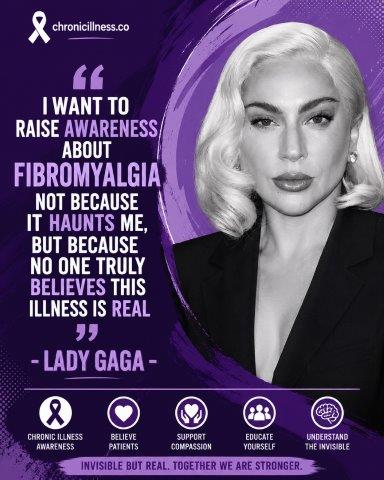
The statement, “I want to raise awareness about fibromyalgia not because it haunts me, but because no one truly believes this illness is real,” reflects a painful reality many people with fibromyalgia understand all too well.
Raising awareness is not just about spreading information. It is about compassion, education, support, and helping people feel seen.
What Is Fibromyalgia?
Fibromyalgia is a long-term chronic condition that causes widespread pain throughout the body, often accompanied by fatigue, sleep disturbances, cognitive difficulties, and heightened sensitivity to pain.
People living with fibromyalgia frequently experience symptoms that interfere with everyday activities, work, relationships, and emotional well-being.
Common symptoms include:
- Widespread muscle pain
- Fatigue and exhaustion
- Brain fog or memory issues
- Sleep disturbances
- Headaches or migraines
- Joint stiffness
- Sensitivity to touch or temperature
- Anxiety and depression
- Digestive problems
Although fibromyalgia is very real, many people still encounter skepticism because symptoms are often invisible.
Someone may appear healthy on the outside while struggling intensely internally.
This invisible nature is one reason why awareness is so important.
Why Fibromyalgia Is Often Misunderstood
One of the biggest challenges fibromyalgia patients face is disbelief.
Unlike conditions that show obvious physical signs, fibromyalgia usually does not appear on standard medical scans or blood tests. This sometimes leads others to assume the illness is exaggerated or psychological.
Many people with fibromyalgia hear hurtful comments like:
- “You don’t look sick.”
- “Maybe you’re just stressed.”
- “Everyone gets tired.”
- “It’s probably all in your head.”
- “You just need more exercise.”
These statements can feel deeply invalidating.
Fibromyalgia is not laziness. It is not imagined. It is not simply stress or normal tiredness.
The pain, fatigue, and cognitive symptoms are real and can severely affect quality of life.
Greater public understanding can reduce stigma and create more compassionate support systems.
The Reality of Living with Chronic Pain
For someone without fibromyalgia, it can be difficult to fully understand the daily experience of chronic pain.
Pain with fibromyalgia often feels widespread and unpredictable.
Some days symptoms may feel manageable, while other days even small activities become overwhelming.
Simple tasks such as:
- Showering
- Cooking meals
- Walking upstairs
- Grocery shopping
- Sitting for long periods
- Getting dressed
may suddenly feel exhausting or painful.
Many people are forced to cancel plans, miss work, or limit social activities because of symptom flare-ups.
This unpredictability can be emotionally draining.
Fatigue Beyond Ordinary Tiredness
Fatigue is one of the most underestimated symptoms of fibromyalgia.
It is not the kind of tiredness solved by one good night of sleep.
Instead, it can feel crushing, overwhelming, and physically debilitating.
Many people describe fatigue as:
Feeling Drained Constantly
Even after sleeping, energy levels may remain extremely low.
Heavy Physical Exhaustion
Simple tasks may feel physically demanding.
Mental Fatigue
Concentration becomes difficult, and thinking clearly feels exhausting.
Because fatigue is invisible, others may not understand why someone seems unable to function normally.
Brain Fog: The Invisible Cognitive Struggle
Fibromyalgia often causes what many call “fibro fog.”
Brain fog affects:
- Memory
- Focus
- Concentration
- Mental clarity
- Word recall
People may forget conversations, struggle to process information, or feel mentally overwhelmed.
This can affect work performance, relationships, and confidence.
Many individuals feel embarrassed by brain fog, especially when others misunderstand it as carelessness.
Greater awareness helps normalize these experiences and encourages empathy.
The Emotional Impact of Not Being Believed
One of the most painful parts of fibromyalgia is feeling invisible.
When family, coworkers, doctors, or friends dismiss symptoms, emotional wounds can deepen.
Living with disbelief may lead to:
Isolation
People may stop discussing symptoms because they fear judgment.
Self-Doubt
Some begin questioning their own experiences after repeated dismissal.
Anxiety
Fear of future pain or misunderstanding can increase emotional stress.
Depression
Chronic illness often affects emotional health, particularly when support feels absent.
Validation matters.
Simply hearing someone say, “I believe you,” can make an enormous difference.
Why Awareness Matters
Awareness is not just about recognition—it can create meaningful change.
Greater awareness may lead to:
Better Understanding
Education helps people understand that fibromyalgia is a legitimate medical condition.
More Compassion
When people understand invisible illness, they are often more patient and supportive.
Reduced Stigma
Breaking myths reduces judgment and harmful assumptions.
Earlier Diagnosis
Awareness may encourage people to seek medical help sooner.
Improved Mental Health
Feeling understood can reduce emotional suffering.
When society learns more about fibromyalgia, people living with it may feel less alone.
The Challenge of Invisible Illness
Fibromyalgia is often called an invisible illness because symptoms cannot always be seen.
Someone may smile, attend work, or appear fine externally while silently struggling with:
Invisible illness creates unique challenges because people are often expected to “push through” symptoms they cannot physically see.
Many people living with fibromyalgia become experts at masking pain to avoid judgment.
But appearing okay does not mean someone feels okay.
How Friends and Family Can Offer Support
Support from loved ones can make a major difference.
Sometimes people want to help but simply do not know how.
Meaningful support may include:
Listening Without Judgment
Allow someone to share experiences without dismissing or minimizing symptoms.
Believing Their Pain
Validation matters more than many realize.
Being Flexible
Chronic illness symptoms can change suddenly, so plans may sometimes need adjustment.
Offering Practical Help
Small acts of support can ease daily stress.
Learning About Fibromyalgia
Education improves empathy and understanding.
Support does not require perfect understanding—just compassion.
Advocating for Yourself with Fibromyalgia
Because fibromyalgia is misunderstood, self-advocacy often becomes necessary.
People may need to speak up in healthcare settings, workplaces, or relationships.
Helpful self-advocacy strategies include:
Tracking Symptoms
Keeping records of symptoms may help identify patterns and triggers.
Setting Boundaries
Protecting energy and avoiding overexertion is important.
Asking for Accommodations
Workplace flexibility may improve functioning.
Prioritizing Rest
Rest is not laziness—it is often essential.
Self-advocacy can feel difficult, but it helps protect physical and emotional well-being.
Managing Fibromyalgia Symptoms
Although there is currently no universal cure, many people find ways to improve symptom management.
Common approaches may include:
Gentle Exercise
Light movement may help reduce stiffness and improve mobility.
Heat Therapy
Warm baths or heating pads may ease muscle pain.
Sleep Improvement
Better sleep habits may reduce fatigue.
Stress Management
Stress often worsens symptoms, making relaxation techniques helpful.
Balanced Nutrition
Healthy eating may support energy and overall wellness.
Symptom management often requires patience and experimentation because every person experiences fibromyalgia differently.
Breaking the Silence Around Fibromyalgia
For many years, fibromyalgia remained largely misunderstood and under-discussed.
Today, more people are speaking openly about their experiences, helping others feel less isolated.
Awareness campaigns, personal stories, and advocacy efforts continue to educate the public and challenge harmful misconceptions.
Talking openly about chronic illness creates space for:
- Better understanding
- Emotional support
- Medical recognition
- Reduced stigma
- Stronger communities
No one should feel forced to suffer in silence.
Why Believing Patients Matters
One of the simplest yet most powerful ways to support someone with fibromyalgia is to believe them.
You may not fully understand what they feel, but compassion matters.
Pain does not need to be visible to be real.
Exhaustion does not need proof to be valid.
Struggling silently does not make someone weak.
People living with fibromyalgia often spend years trying to explain themselves. Being believed can ease emotional pain in ways many people never realize.
Fibromyalgia Is Invisible, But It Is Real
Fibromyalgia may be invisible, but its effects are life-changing.
The pain, fatigue, stiffness, sleep disruption, and emotional burden are real experiences for millions of people around the world. Beyond physical symptoms, many face an exhausting battle to be understood and taken seriously.
Raising awareness matters because education leads to compassion, and compassion leads to better support.
The goal of awareness is not pity. It is understanding.
It is about helping people recognize that someone can look completely fine while fighting a difficult battle internally.
Fibromyalgia deserves recognition, respect, and empathy.
For anyone living with fibromyalgia, your experience is valid. Your pain is real. Your exhaustion is real. And most importantly, you are not alone.
Together, through awareness, education, and compassion, we can help make invisible illness more visible and better understood.

For More Information Related to Fibromyalgia Visit below sites:
References:
Join Our Whatsapp Fibromyalgia Community
Click here to Join Our Whatsapp Community
Official Fibromyalgia Blogs
Click here to Get the latest Fibromyalgia Updates
Fibromyalgia Stores
