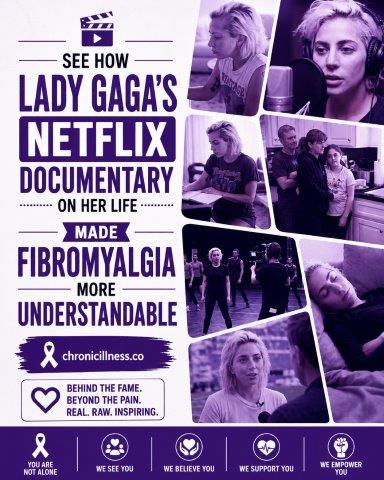
A Global Superstar Opened the Door to a Hidden Reality
For years, fibromyalgia remained one of the most misunderstood chronic illnesses in the world. Millions of people struggled silently with widespread pain, crushing fatigue, brain fog, and emotional exhaustion while constantly hearing phrases like, “But you don’t look sick,” or “Maybe it’s all in your head.”
Because fibromyalgia is often invisible, many people living with the condition have felt dismissed, misunderstood, or ignored.
Then something unexpected happened.
A globally recognized artist—someone admired for her talent, performances, and larger-than-life public image—allowed the world to see what chronic pain actually looked like behind the scenes.
When Lady Gaga released her Netflix documentary about her life and career, viewers expected to see the glamour of fame, music production, and artistic success. Instead, many witnessed something deeply personal and unexpectedly powerful: the very real impact of living with chronic pain and fibromyalgia.
For countless people living with invisible illness, this moment felt important.
Finally, someone visible was showing the hidden side of pain.
Why Fibromyalgia Is Often Misunderstood
Fibromyalgia is a chronic disorder associated with widespread pain, fatigue, sleep problems, and cognitive difficulties commonly referred to as “brain fog.”
But explaining fibromyalgia to someone who has never experienced it is incredibly difficult.
The condition cannot be seen in a cast or measured through obvious external signs. Blood tests often appear normal. Medical imaging may not reveal visible damage. Yet the symptoms can be life-altering.
Many people with fibromyalgia experience:
- Persistent muscle and body pain
- Exhaustion that sleep does not fix
- Difficulty concentrating
- Sensitivity to sound, light, or touch
- Anxiety and emotional overwhelm
- Sleep disruption
- Headaches or migraines
The unpredictability makes life especially hard.
One day may feel manageable.
The next may feel impossible.
Because symptoms fluctuate, outsiders often misunderstand the seriousness of the illness.
This lack of visibility has historically made fibromyalgia difficult for others to understand.
That is why public conversations matter.
When Fame Meets Chronic Illness
Lady Gaga is known worldwide for her intense performances, creative vision, and demanding career.
To audiences, she often appeared energetic, fearless, and unstoppable.
What many people did not realize was that behind the performances, she was privately battling chronic pain.
Her documentary revealed moments that felt surprisingly vulnerable and deeply human.
Instead of hiding pain behind celebrity status, she allowed audiences to witness difficult realities.
There were moments of visible discomfort.
Moments of exhaustion.
Moments of emotional frustration.
Moments where success and fame could not erase physical suffering.
This mattered because chronic illness does not discriminate.
It affects people regardless of career, status, income, or visibility.
Seeing someone famous struggle with pain reminded many viewers of something important:
Illness can exist even when someone appears successful.
Showing the Invisible Side of Fibromyalgia
One of the reasons the documentary resonated with so many people was because it showed something rarely seen publicly: what invisible illness can actually look like.
Fibromyalgia often exists behind closed doors.
People living with it may push themselves through work, family responsibilities, or social obligations while hiding symptoms.
The world usually sees only the functioning version of chronic illness.
They do not see:
The days spent recovering in bed.
The tears after symptom flares.
The frustration of cancelled plans.
The emotional toll of feeling trapped inside an exhausted body.
In the documentary, viewers saw moments of vulnerability that reflected experiences many chronic illness sufferers quietly endure.
Pain became visible.
Exhaustion became visible.
Emotional strain became visible.
For many people with fibromyalgia, this visibility felt validating.
Why Representation Matters for Chronic Illness
Representation changes conversations.
When a high-profile figure discusses mental health, awareness increases.
When someone famous shares experiences with illness, public understanding often grows.
Fibromyalgia has long struggled against skepticism.
Some people mistakenly believe it is exaggerated.
Others dismiss symptoms because traditional medical tests may appear normal.
This misunderstanding can leave patients feeling isolated.
But when someone publicly speaks about chronic pain in an honest way, it becomes harder for society to ignore.
People begin asking questions.
They begin listening.
They become more curious about what fibromyalgia actually is.
That shift matters.
Awareness does not solve everything, but it can reduce stigma.
And for invisible illnesses, reducing stigma is incredibly important.
The Reality of Living With Constant Pain
One of the strongest messages many viewers took away from the documentary was how exhausting chronic pain can be.
People unfamiliar with fibromyalgia often imagine pain as temporary.
Maybe soreness after exercise.
A headache after stress.
A brief injury that heals.
Fibromyalgia pain works differently.
For many people, pain becomes constant background noise.
It shifts locations.
Changes intensity.
Comes in waves.
Sometimes it feels manageable.
Other times it becomes overwhelming.
Simple activities may suddenly feel physically demanding.
Getting dressed.
Cooking meals.
Working.
Socializing.
Even resting may not feel restorative.
This constant balancing act can become emotionally draining.
The documentary offered glimpses into how physically demanding life becomes when pain follows you everywhere.
Fatigue: The Symptom Many People Overlook
Pain gets attention, but fibromyalgia fatigue is equally debilitating.
One of the biggest misconceptions about chronic fatigue is that people think it simply means feeling sleepy.
Fibromyalgia fatigue goes much deeper.
It feels like the body’s energy system stops cooperating.
Even after sleep, exhaustion remains.
Concentration becomes harder.
Daily tasks require more effort.
Motivation decreases because the body simply feels depleted.
Many people living with fibromyalgia describe it as feeling like they are constantly running on empty.
Watching someone openly struggle with energy limitations helped many viewers better understand this invisible aspect of chronic illness.
It validated experiences countless patients had struggled to explain for years.
Chronic Illness Does Not Pause for Success
Another powerful lesson from the documentary was this:
Success does not erase illness.
People often assume fame, wealth, or accomplishment protects someone from suffering.
But chronic illness does not disappear because someone has responsibilities or opportunities.
People living with fibromyalgia frequently push themselves beyond limits because life demands it.
They still go to work.
Care for children.
Attend obligations.
Show up when they can.
But hidden effort often goes unnoticed.
The documentary highlighted a truth many chronic illness sufferers understand deeply:
Sometimes people are struggling far more than they appear.
A smiling face does not always mean someone feels okay.
A successful career does not mean pain disappears.
Looking healthy does not mean someone is healthy.
These reminders help challenge harmful assumptions.
The Emotional Side of Fibromyalgia
Fibromyalgia affects more than the body.
It often impacts emotional wellbeing too.
Chronic pain can feel isolating.
Repeated misunderstandings can create frustration.
Cancelled plans may bring guilt.
Unpredictable symptoms can trigger anxiety.
Many people living with fibromyalgia experience grief.
Grief for the life they expected.
Grief for lost energy.
Grief for independence.
Grief for activities they once enjoyed.
The documentary captured emotional vulnerability in ways that many viewers found relatable.
There were moments of frustration and exhaustion that reflected what countless chronic illness patients quietly endure.
This emotional honesty mattered.
People with fibromyalgia often feel pressure to stay positive or hide suffering.
Seeing vulnerability represented publicly helped normalize difficult emotions.
Why So Many Fibromyalgia Patients Felt Seen
For many people living with fibromyalgia, the documentary felt personal.
Not because everyone’s symptoms are identical—but because the emotional reality felt familiar.
The unpredictability.
The exhaustion.
The frustration.
The moments of needing rest.
The visible effort behind simply functioning.
People living with chronic illness are often forced to explain themselves repeatedly.
Why they cancelled plans.
Why they need rest.
Why they cannot push harder.
Why they seem fine one day and overwhelmed the next.
Watching someone publicly navigate pain helped many feel less alone.
Sometimes understanding begins with visibility.
And visibility can create empathy.
The Power of Being Believed
One of the hardest parts of fibromyalgia is skepticism.
Because symptoms are invisible, many people hear dismissive comments.
“You’re too young to feel this way.”
“Maybe you’re just stressed.”
“You should exercise more.”
“You look fine.”
Over time, dismissal becomes emotionally exhausting.
Being believed matters.
Validation matters.
Support matters.
Public conversations around chronic illness can encourage more empathy and reduce harmful assumptions.
When viewers witnessed chronic pain portrayed honestly, many gained a deeper understanding of what invisible illness can feel like.
That understanding may seem small, but for someone constantly doubted, it can mean everything.
Fibromyalgia Awareness Still Has a Long Way to Go
Although awareness has improved, misconceptions remain.
Many people still struggle to receive timely diagnosis.
Some spend years searching for answers.
Others feel dismissed by medical systems, workplaces, or even loved ones.
Fibromyalgia awareness continues evolving, but education remains essential.
Understanding requires listening.
It requires believing people even when symptoms are invisible.
It requires recognizing that pain does not need visible proof to be real.
Documentaries, conversations, and personal stories all help shift public understanding forward.
Every honest discussion helps make invisible illness slightly less invisible.
What People New to Fibromyalgia Can Learn
For someone newly diagnosed, public stories about chronic illness can feel reassuring.
They remind people:
You are not imagining this.
You are not weak.
You are not lazy.
You are not alone.
Fibromyalgia can feel overwhelming, especially in the beginning.
There may be difficult days filled with frustration and uncertainty.
There may be moments of grief.
There may be times when exhaustion feels endless.
But understanding the condition—and seeing others openly talk about it—can help reduce isolation.
Connection matters.
Validation matters.
Hope matters.
Looking Beyond the Fame
Perhaps the biggest takeaway from the documentary was not celebrity itself.
It was humanity.
Behind fame, talent, and success stood a person navigating chronic pain while trying to continue living, creating, and showing up despite physical limitations.
That reality resonated deeply with people facing their own invisible battles.
Fibromyalgia can make everyday life feel incredibly difficult.
Yet people continue adapting.
Continue trying.
Continue surviving hard days.
The documentary reminded audiences that chronic illness deserves compassion—not judgment.
And for many people living with fibromyalgia, that message felt long overdue.
You Are Not Alone in This Journey
If you live with fibromyalgia and often feel misunderstood, know this:
Your struggles are real.
Your exhaustion is real.
Your pain matters.
Invisible illness is still illness.
There may be people who do not understand, but there are also people who believe you.
People who see your effort.
People who understand how difficult ordinary days can become.
Awareness continues to grow because of honest stories, vulnerable conversations, and people willing to speak openly about invisible illness.
Sometimes all it takes is one visible voice to help millions feel less invisible.
And for many people living with fibromyalgia, that understanding can be powerful.

For More Information Related to Fibromyalgia Visit below sites:
References:
Join Our Whatsapp Fibromyalgia Community
Click here to Join Our Whatsapp Community
Official Fibromyalgia Blogs
Click here to Get the latest Fibromyalgia Updates
Fibromyalgia Stores
